|
|
新人教版(2019)英语选择性必修一
Unit4 body Language Period 1 Reading and Thinking
Listening to how bodies talk教学设计
课题
| Period 1 Reading and Thinking
Listening to how bodies talk
| 单元
| Unit4
| 学科
| English
| 年级
| Senior
Grade 2
| 教材分析
| This unit is about “Body language”. It mainly refers to the cultural differences of body language and interactions with them. It is aiming to arose students’ interest in body language.
This reading material is about “Listening to how bodies talk”, which talks about body language used in different cultures. From this material, students not only grasp reading skills,but also understand the importance of body language and avoid cultural shock and misunderstanding as well.
| 学习
目标与核心素养
| Knowledge objectives: grasp some important words, phrases and expressions in this part
Skill objectives: master related reading skills, for example, skimming, scanning
Emotional objectives: learn to understand the function of body language and its implications in different cultures, thus appreciating the art of non-verbal expressions.
| 重点
| Help students to know how to use some words and sentences to describe how people use body language to express meaning.
| 难点
| The structure of difficult sentences
|
教学过程
| 教学环节
| 教师活动
| 学生活动
| 设计意图
| 导入新课
| Step1 lead –in
1.Use ppt to show some pictures about body language and show some expressions to students. for example, I’m tired, I’m happy, I’m surprised.
2.Work in pairs and ask the students to act them out without speaking and ask partner to guess what they want to communicate.
Question:What feelings are they expressing ?
And how to express them?
| 首先观赏图片,
了解body language,再
两两一组分组讨论,班内展示三四组。
| 通过图片引出话题、导入新课。通过小组合作展示,让学生对身势语产生兴趣,并且能意识到身势语的重要性,从而轻松愉悦地参与到课堂活动中去。
| 讲授新课
| Step2 While-reading
PPT 3, “Pre-Reading Questions”
What is the main idea of the passage?
Answer: Body Language
PPT4, “Reading of para. 1”
1.thought n. 想法
2.fold v. 展开;拥抱;交臂
fold arms 图片

PPT 5, “Question Time”
1.Summarize the first paragraph in one sentence.
The importance of body language
PPT 6&7, “Reading of para. 2”
3.vary vi. 变化;改变
4.crucial adj. 关键的
5.appropriate adj. 合适的;恰当的
6.by contrast 相比之下
7.approve vi. 赞成;同意 vt. 批准;通过
be approved of 被认可
8.permit v.允许
be permitted to do 被允许做
9.demonstrate vt. 表现;表达;说明;证明
PPT 8,
Summarize the second paragraph in one sentence.
Body language varies from culture to culture.
PPT 9, “Reading of para. 3”
10.gesture n.手势;姿势
11.witness vt. 当场看到;目击;见证
n. 目击者;证人
12. employ vt. 使用;应用;雇佣
13. encounter v. 相遇
14. identical adj. 相同的
15. interpret…as… 把…解释为…
PPT 10, “Question Time”
Summarize the third paragraph in one sentence.
The gesture for“ok”has different meanings.
PPT11&12 Pair Work
Translate the following sentence.
In Japan, someone who witnesses another person employing the gesture might think it means money.
在日本,如果看到另一个人用这个手势,可能认为这意味着钱。
仿写:只有达到标准的运动员才可参加比赛。
(who引导的定语从句)(浙江高考作文)
Only athletes who have reached the standard will be admitted as competitors.
PPT 13&14, “Reading of para. 4”
16.differ v. 不同于
17.by comparison 与……相比较
18.cheek n.面颊;脸颊
19.favour v. 较喜欢;选择;有利于
n.帮助;恩惠;赞同
20.bow vt.鞠躬;点头 vi.低(头)
n.弓;蝴蝶结
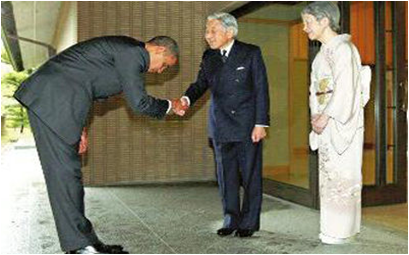
21.waist n.腰;腰部
PPT 15, “Question Time”
5. Summarize para. 4 in one sentence.
The difference of gesture for “Yes”or“No”
In which country/countries may people favor shaking hands/bowing from the waist/nodding when they meet someone?(参考第三、四段细节)
PPT 16, “Reading of para. 6”
sleep


I’m full
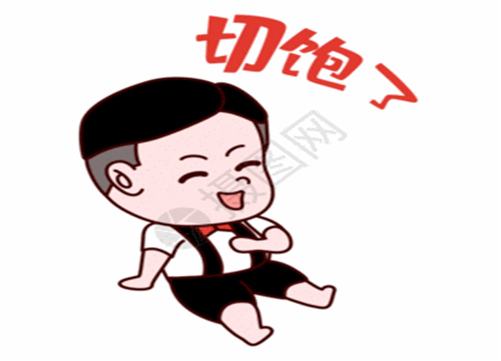 PPT17, “Question Time”
7. Summarize para.5 in one sentence.
Some gestures have the same meaning.
8. Please answer the following questions with the details of paragraph 5.
(1) What kind of body language do we use to show “sleep”? Act it out and describe it.
(2) What kind of body language do we use to show “I am full”? Act it out and describe it.
PPT 18&19, “Reading of para. 6”
get through 度过;完成;通过
23. break down 打破
24. barrier n.障碍
25.mirror n. 镜子
PPT 20, “Question Time”
9. Summarize para. 6 in one sentence.
Some body language has many different uses.
10. Answer the question:
Can you say some different uses of smiling?
(Pay attention to the details of paragraph 6)
PPT21&22
Competition&group show
1. Fill in the table with the words and phrases.
Body language /Gesture
| Meaning
| Country/Region
| Eye contact between men and women
| Not polite
| Middle East
| Looking down when talking to an old person
| | | OK sign
| | | | | | | | | Kissing on the cheek
| | | Place your hands together and resting them on the side of your head while closing your eyes
| | | Moving your hand in circles over your stomach after a meal
| | |
Answers: Polite, Japan; Money, Japan, Zero, France, Not polite, Brazil and Germany; Polite, France and Russia; Sleep, Everywhere; I am full, Everywhere.
Step3. After-reading
PPT23 Discussion
Read the text again and discuss the following questions.
1) Can you think of an example of body language that is appropriate in China but might be misunderstood in another culture?
2) What advice on body language can you give a foreign friend on his/her first trip to China?
Answers: Open
1) for example, eye contact
2) Body language is different from culture to culture, so we should pay attention to the difference.……。
PPT24&25 Group show
Complete the passage with the correct forms of the given words.
We use both words 1 body language to express 2 (we) thoughts and opinions in our interactions with other people. We can learn a lot about 3 people are thinking by 4 (watch) their body language. Body language 5 (vary) from culture to culture. The crucial thing is using body language in a way 6is appropriate to the culture you are in. For example, a smile can help us get 7 difficult situations and find friends in a world of 8 (stranger).A smile can break down barriers. We can use a smile 9 (apologise), to greet someone, to ask for help, or to start 10 conversation.
Answers:
1.and 2. our 3. what 4. watching
5. varies 6.that 7.through 8. strangers
9. to apologise 10. a
PPT26 Enjoyment
Enjoy a video “the function of smile”
Step4. Reading for thinking
PPT27&28 Deep thinking
Question 1:Smiles can be used to hide feelings like anger, fear, or worry. Can you describe a situation where you might smile when you
don’t mean it?
Tip:Think about some occasions in our daily life ( home, school)
Question2: Apart from fake smiles, is there any other kind of body language that can sometimes be fake?
Tip:You can refer to the forms that we have filled in.
Question 3:Which is a more reliable guide for understanding someone’s feeling, their body language or the words they speak?
Tip:Group Work:Whether you think body language or the words are more reliable,please choose one answer and give the reasonable reasons。
For example, I think ……, because……
Step5随堂练习:
一、根据提示词或短语翻译句子,并背诵。
1.相反,在另一些国家,眼神交流并不总是被认可。(by contrast)
__________________________________________________________________________________
Answer:In other countries, by contrast, eye contact is not always approved of.
2. 在新体育馆里,我们参加各种各样的活动,这给我们带来很多。(a variety of)
_________________________________________
Answer: We join in a variety of activities in our new gymnasium, which brings us lots of pleasure.
3. 我想告诉你一些有关于我暑假计划的事情,并且希望你能帮我个忙。(do sb a favor)
__________________________________________________________________________________
Answer: I want to tell you something about my plan for the summer vacation and I’d like you to do me a favor.
4. 在餐桌上,满嘴食物与人交谈通常会被视为无礼的表现。(被动语态)
__________________________________________________________________________________
Answer:It is usually considered rude to talk at the dinner table with your month full.
| 自主阅读,划出关键词。
引导学生同桌两两合作,讨论分析句子结构,并记笔记。
分组PK,填表格。
要求:If you have found out the answer, please stand up as quickly as possible. If you are right, you can get one point for your group.
分成四人一组讨论,最后选取代表进行陈述。
全班活动,分组展示
观看一段视频《微笑》,了解微笑的力量,然后分小组深层讨论这三个问题,可以适当利用上一题所填内容。
| 引导学生快速浏览全文,把握文章的题目和每段的首尾句,理解概括文章大意,从而对学生进行快速阅读训练,提高学生快速阅读的能力。
通过分析句子结构,理解句意,从而更好地启发学生的分析能力和创新能力。
培养学生查找细节的能力。
小组讨论,集思广益,激发学习热情和学习兴趣。
脱离课本,自主完成,全班检查,锻炼学生的自主学习能力和总结归纳的能力。
发挥小组合作的积极作用,并且强化了对文章的深层理解。
| 课堂小结
| Step5:Summary:
These are what we’ve learned in this passage.
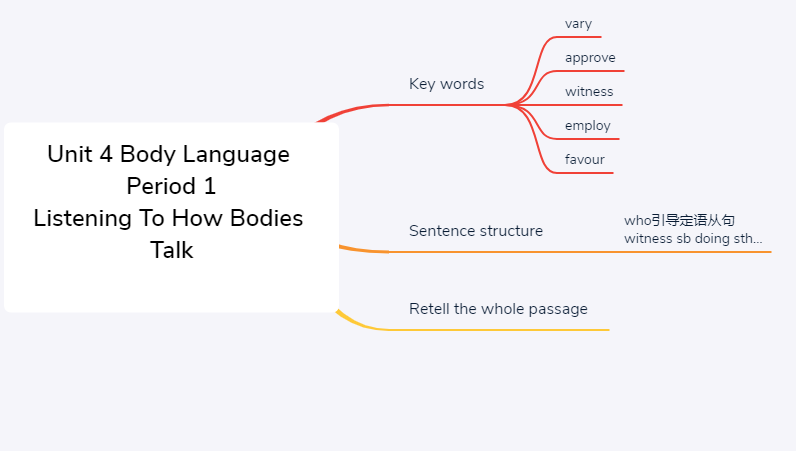
Step6 Homework
Write a passage to introduce some body language.
| | | 板书
| Unit4 body Language
Listening to how bodies talk
thought
fold
vary
crucial
appropriate
by contrast
approve vi. be approved of
be permitted to do
demonstrate
gesture
witness
employ
encounter
identical
interpret…as…
differ
by comparison
cheek
favour
bow
waist
get through
break down
barrier
mirror
2. Analyse the structure of difficult sentences
In Japan, someone who witnesses another person employing the gesture might think it means money.
| | |
|
|
 川公网安备51152402000101号 )|网站地图


 发表于 2026-3-8 06:34:07