|
|
Unit 3 The Internet
Period 4 Reading for Writing 导学案

- Read the blog and understand the content, especially the suggestions.
- Try to summarize the features of the blog.
- Try to improve the writing skills and languages.
- Try to write a blog about online safety.

- Try to summarize the features of the blog.
- Try to improve the writing skills and languages.
- Try to write a blog about online safety.

Step 1 Lead in---Small Talk
What ways do you usually use to talk about your opinions or suggestions on the Internet ? ______________________________________________________
Step 2 Before reading
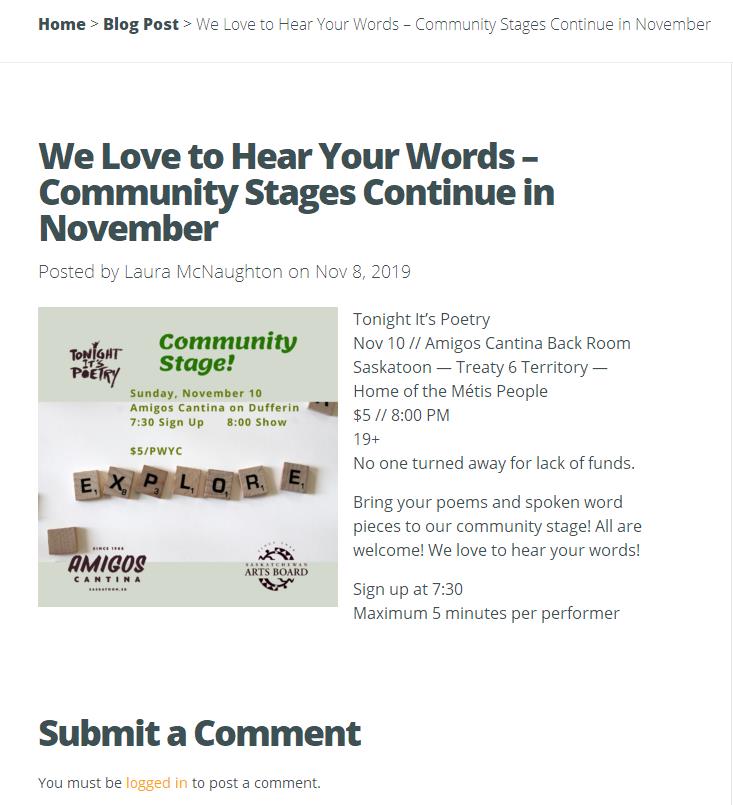
What are they ?_______________________How many parts do they have ?______________________________________________

Step 3 While reading---Scanning
Read the text and answer the following questions.
Q1:What’s the main idea of the blog post ?
Q2:Can you write a title for it ?
Q3:What guidelines does the author provide for staying safe online ?
Q4:Who are the online troublemakers the blog post mentions ?
Step 3 While reading---Study the organisation and language features.
Read the text again and answer the following questions.
Q1:Tick what the writer tells the reader in Para 1.
definition of online safety the writer’s knowledge
background information the topic of the post
Q2:What words and phrases does the writer use to organise the information in the Para 2 ?
Q3:What new words are explained in the text, and how ?
Q4:How does the writer end the post ?
Step 4 Writing---Choose the topic
Online shopping sites1. Use a website you are familiar with.2. Use strong passwords. 3. Don’t use public computers. Online chat rooms1. Don’t give out too much information.2. Never meet someone you met online alone. Social networking apps1. Don’t post personal information.2. Don’ t believe everything your read. 3. Be polite.
Step 5 Writing---Organise the draft
IntroductionTell the reader about yourself and what you know about the topic.BodyTell the reader what they should do or keep in mind.EndingEnd by asking the readers to write comments.
Step 6 Writing---the phrases
Translate them into Chinese.
blog about a question ________________
stay safe online ________________
bad experiences on the Internet
________________
golden rule ________________
post comments ________________
click on ________________
identity theft ________________
chat room ________________
draft your blog post ________________
post embarrassing photos ________________
Step 7 Writing---the sentences
Translate them into Chinese.
1. How do you stay safe online and avoid bad experiences on the Internet?
2. I’m not an expert, but many years as a blogger have taught me a thing or two.
3. If you see or read something that makes you feel uncomfortable, leave the site immediately.
4. Don’t give out your address or phone number.
5. Identity theft is a common and serious problem.
6. Being online is no excuse for being rude, and you don’t want to become a target for a troll or cyberbully.
7. Trolls often use several false names so that they can stay on a site.
- However, the more polite you are, the less likely it is you will be attacked.
Step 8 Writing---the articleaccording the outline, the phrases and the sentences, choose a topic and try to write a blog post.
_______________________________
Step 9 Pair work
Exchange drafts with a partner. Use this checklist to help your partner revise his/her draft.
- Does the writer tell the reader what he/she know about the topic ?
- Are the tips and suggestions well organised ?
- Has the writer defined the new words ?
- Does the author include examples, comparison, or explanations ?
- Does the writer end by asking readers to leave comments and/or suggestions ?
- Can you find any grammar or spelling mistakes.
Step 6 Homework
Put up your revised draft in the classroom or read it to your class.
答案
Step 1 Lead in---Small Talk
What ways do you usually use to talk about your opinions or suggestions on the Internet ? QQ Space, the Sina Blog Post and so on.
Step 2 Before reading
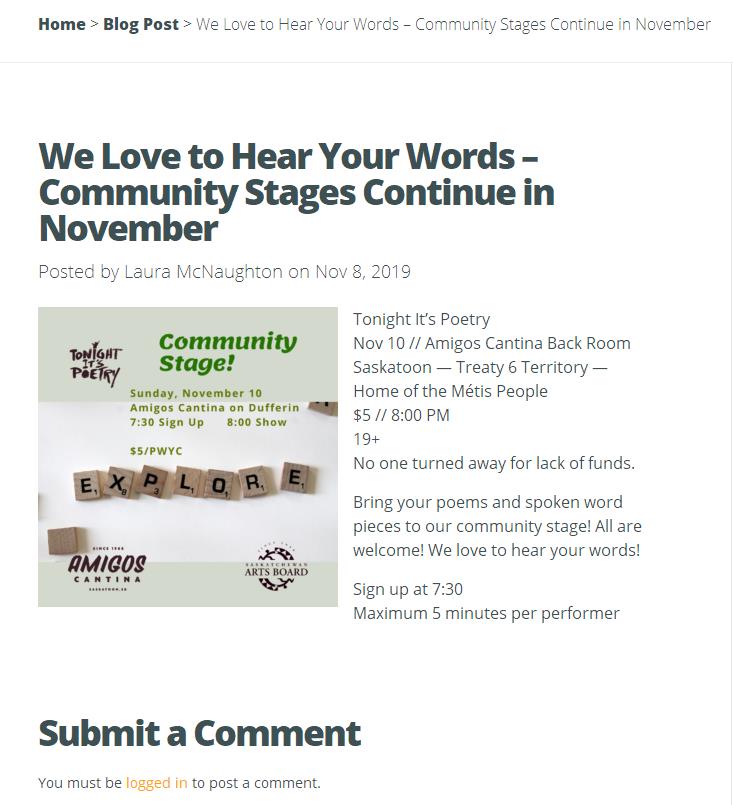
What are they ?They are blog posts.How many parts do they have ?They have two parts: the blog part and the comment part.

Step 3 While reading---Scanning
Read the text and answer the following questions.
Q1:What’s the main idea of the blog post ?
The blog post talks about how to stay safe online and avoid bad experiences on the Internet and gives suggestions about the issues.
Q2:Can you write a title for it ?
How to stay safe online
Q3:What guidelines does the author provide for staying safe online ?
First of all, keep out of the sites that make you uneasy.
Second, protect your privacy.
Third, be polite.
Q4:Who are the online troublemakers the blog post mentions ?
A troll and a cyberbully
Step 3 While reading---Study the organisation and language features.
Read the text again and answer the following questions.
Q1:Tick what the writer tells the reader in Para 1.
definition of online safety the writer’s knowledge
background information the topic of the post
Q2:What words and phrases does the writer use to organise the information in the Para 2 ?
First of all…Second…Third
Q3:What new words are explained in the text, and how ?
A troll and a cyberbully
definition A troll is a person who posts comments or questions in order to stir up trouble online.
A cyberbully uses the Internet to be mean to others.
Like a troll, a cyberbully will also write something mean but it is usually directed at particular people.
Q4:How does the writer end the post ?
Have you had any bad experiences online, or do you have some good advice for staying safe? Post your comments below!
Step 4 Writing---Choose the topic
Online shopping sites1. Use a website you are familiar with.2. Use strong passwords. 3. Don’t use public computers. Online chat rooms1. Don’t give out too much information.2. Never meet someone you met online alone. Social networking apps1. Don’t post personal information.2. Don’ t believe everything your read. 3. Be polite.
Step 5 Writing---Organise the draft
IntroductionTell the reader about yourself and what you know about the topic.
BodyTell the reader what they should do or keep in mind.
EndingEnd by asking the readers to write comments.
Step 6 Writing---the phrases
blog about a question 就某一问题写博客
stay safe online 在网上保持安全
bad experiences on the Internet
不好的上网经历
golden rule 黄金法则
post comments 帖子评论
click on 点击
identity theft 身份盗窃
chat room 聊天室
draft your blog post 起草博客帖子
post embarrassing photos 张贴尴尬照片
Step 7 Writing---the sentences
1. How do you stay safe online and avoid bad experiences on the Internet?
你如何在网上保持安全, 避免在网上的不良经历?
2. I’m not an expert, but many years as a blogger have taught me a thing or two.
我不是专家, 但作为一个博主, 我已经学了好几年了。
3. If you see or read something that makes you feel uncomfortable, leave the site immediately.
如果你看到或读到一些让你觉得不舒服的东西, 立即离开这个网站。
4. Don’t give out your address or phone number.
别告诉别人你的地址或电话号码。
5. Identity theft is a common and serious problem.
身份盗窃是一个常见而严重的问题。
6. Being online is no excuse for being rude, and you don’t want to become a target for a troll or cyberbully.
上网并不是无礼的借口, 你也不想成为发挑衅帖子的人或网络恶霸的目标。
7. Trolls often use several false names so that they can stay on a site.
发挑衅帖子的人经常使用几个假名, 这样他们就可以留在一个网站上。
8. However, the more polite you are, the less likely it is you will be attacked.
然而, 你越有礼貌, 你被攻击的可能性就越小。
Step 8 Writing---the article
How to stay safe in the online chat room
Today I thought I’d blog about a question that has been asked many times--- how do you stay safe online and avoid bad experiences in the online chat room ? I’m not an expert, but many years as a blogger have taught me a thing or two.
First of all, there’s the golden rule of the Internet: keep out of what makes you uneasy. Don’t post comments or click on anything. Second, protect your privacy. Don’t give out too much private information like your address, phone numbers, the ID numbers, etc. Third, be polite. If you are polite to others on the Internet, you won’t be attacked in normal situation. Finally, don’t believe in others easily and never meet someone you met online alone. It is very dangerous.
Have you had any bad experiences online, or do you have some good advice for staying safe? Post your comments below!
Step 9 Pair work
Exchange drafts with a partner. Use this checklist to help your partner revise his/her draft.
- Does the writer tell the reader what he/she know about the topic ?
- Are the tips and suggestions well organised ?
- Has the writer defined the new words ?
- Does the author include examples, comparison, or explanations ?
- Does the writer end by asking readers to leave comments and/or suggestions ?
- Can you find any grammar or spelling mistakes.
Step 6 Homework
Put up your revised draft in the classroom or read it to your class.
|
|
 川公网安备51152402000101号 )|网站地图


 发表于 2026-3-7 05:15:21