|
|
Unit 10 I’d like some noodles.
Section A(1a-2d)
Learning Goals:
Learn new words and expressions: noodle, mutton, beef, cabbage, potato
special, would, would like, yet, order, bowl, size, tofu, large, take
one’s order, one bowl of….Be able to use the target language to order food. Train students’ listening and speaking skills.
Step1Preview
Look at p55-57, put the following into English orally by themselves
1.牛肉面条 ___________________ 2.羊肉面条_____________
3.土豆卷心菜面条 ______________ 4.特价菜1 _________
5.一大碗面条________________ 6.点菜 ___________
7.小号 ______________ 8.西红柿鸡蛋米饭 ______________
Then ask students to read these phrases in groups.
【设计意图】:检查学生的预习情况.
 Step2 Warming up and leading in视频导入
T:Oh, so many kinds of delicious food. I’m hungry. Are you hungry?
S: Yes, I am.
T: What would you like to eat?
(The students say some food they have learned before. After the students say some food, the teacher says:)
T: This class, we will learn more food and how to order food.
【设计意图】:以视频方式活跃课堂气氛,并导入新知.
Step3 New words learning
(Have students look at the screen with different kinds of food, ask them to read one by one, then read them after the teacher)



 B:I like…

bananas apples pears
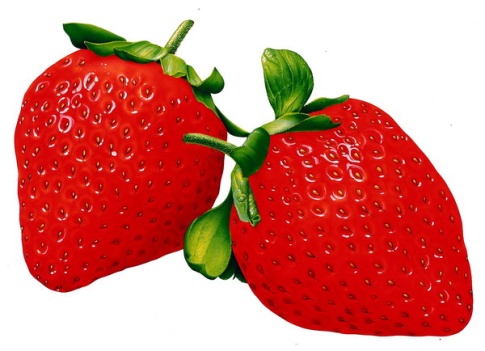
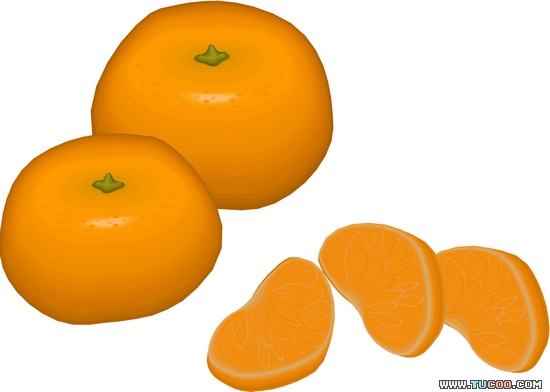
strawberries oranges
B:I like…
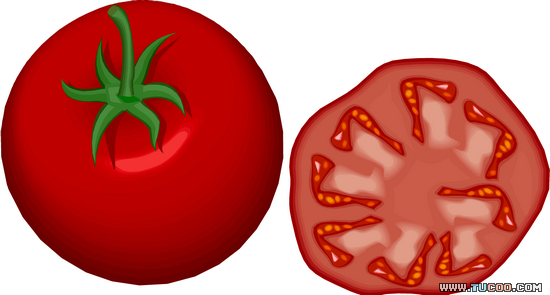
carrots cabbages tomatoes
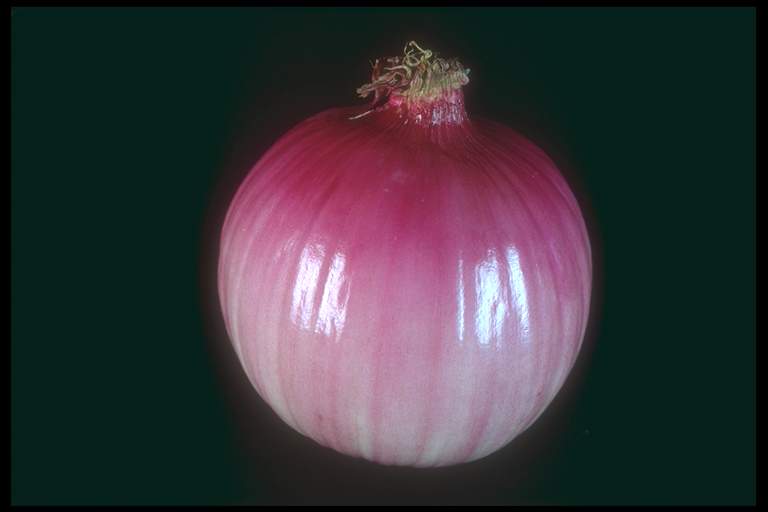
onion potatoes
B:I like…
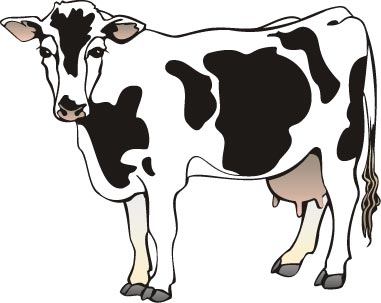
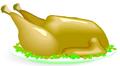
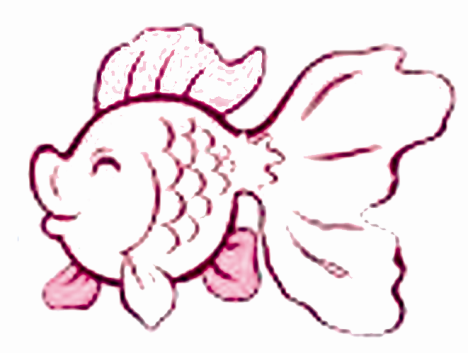

beef chicken fish mutton
B:I like…

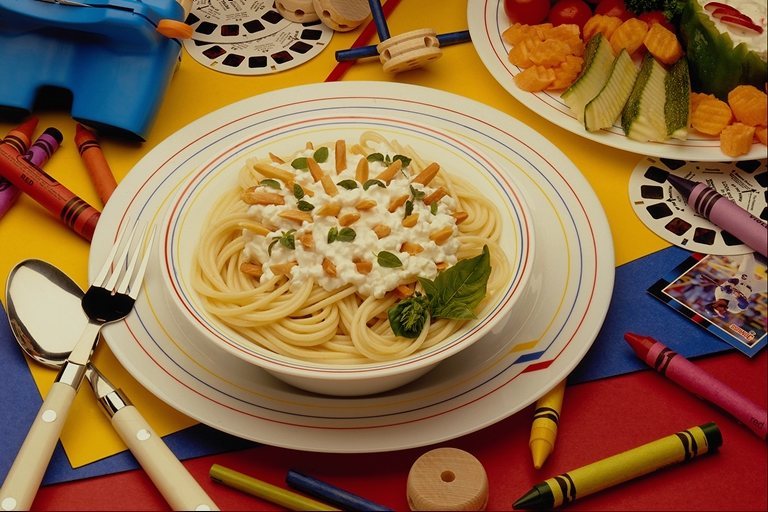
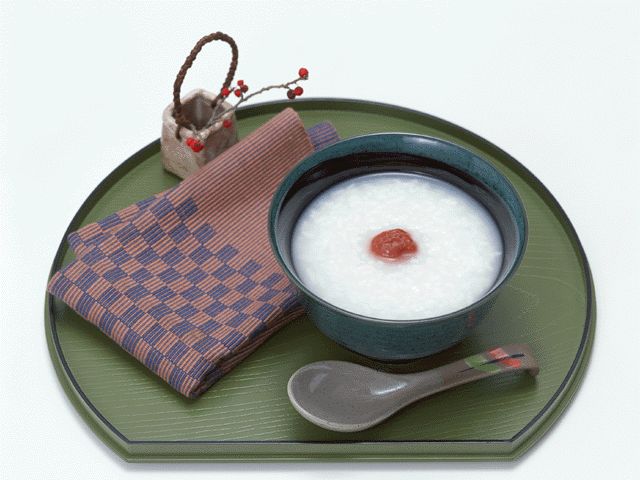
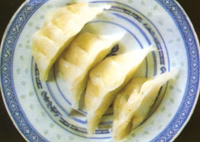

rice noodles porridge dumplings hamburgers
 soup
soup
B: I’d like…
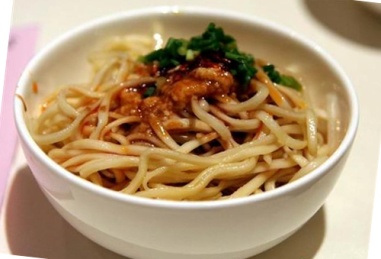
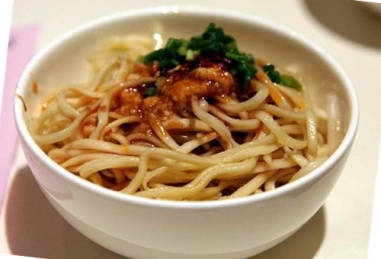
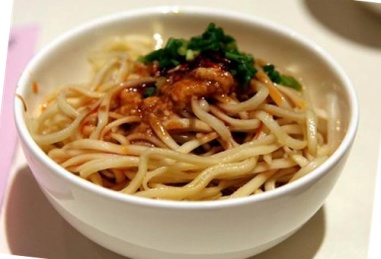
small bowl medium bowl large bowl
Divide the foods into three parts
The foods: ice- cream, oranges, bowls, cabbage, apples, meat, milk, mutton
water, beef, salad, carrots, chicken, strawberries
【设计意图】:首先通过图片分类导入新生词,更直观更易接受,再次通过练习分清名词的可数和不可数,进一步巩固.
Step4 Listening 1b.
Pre-listening
T:Hello,everyone. What would you like for lunch?
S1:I would like some vegetables and fish.
T:OK, let’s come to 1a. Let’s learn the foods in the restaurant.
Match the words with the foods in 1a, then check the answers.
1.mutton_______ 5.cabbage__________
2.beef_________ 6.potatoes__________
3.noodles_______ 7.tomatoes_________
4.chicken_______
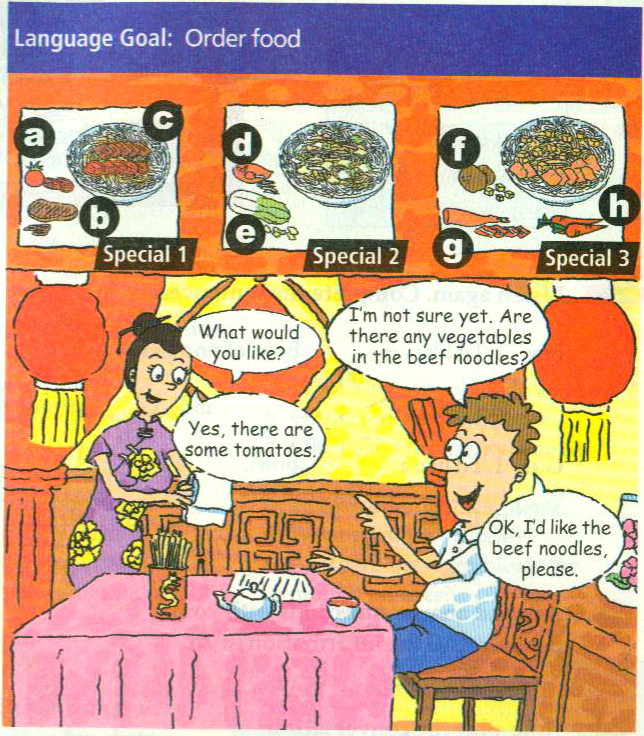 8.carrots_________
After that,lead students to say out” Special 1,beef and tomato noodles; special 2,chicken and cabbage noodles; special 3, mutton,carrot and potato noodles.” Then let students work in pairs, for example: one says “beef and tomato noodles” the other says” special 1”, then change.
【设计意图】:回归课本通过习题初步检测一下生词的学习情况。引导学生说出三种特色菜的配料并以小组方式进行竞赛,激发学生的学习热情,并为听力做好热身。
While-listening
Task1 Listening for the general idea of 1b.
T: You will hear a conversation between a boy and a waitress.
The general idea of the conversation is about _________.
A. food B. clothes C. sports
Task2 Listening for the specific ideas of 1b.
T: Look at the picture and find the noodles that the person orders.
_______ Special 1 ___________ Special 2 ___________Special3
Listen again. Complete the conversation according to the tape.
Waitress: What ________ you like?
Boy: I’m not sure yet. Are there any vegetables in the_______ noodles?
Waitress: Yes, there are some_______.
Boy: OK, I’d like the beef________, please.
Post-listening Activities
- listen to the tape and repeat.
【设计意图】理解文段后,进行听力模仿,感知英语发音特点,提高口语表达水平.
2.Practice the conversation in 1a with your partner. Then make your own conversations.
A: What would you like?
B: I’d like…
A: Are there any … in the…noodles?
B: Yes,... / No, …
Step5 Listening practice(2a,2b)
Pre-listening
Look at the picture in 2a, lead students to read out the names of all the food.
Then let students read the words on the left, one word for three times.
While-listening
Task1 Listening for the general idea of 2a,2b
The general idea of the conversation is about_______.
Task2 Listening for the specific ideas of 2a,2b.
Listen and check the names of the foods you hear in 2a.
Listen again. Complete the sentences.
Waiter: What______ bowl of noodles would you like?
Boy: I’d like a ______ bowl of noodles.
Waiter: And what______ of noodles would you like?
Boy: I’d like _______,________ and ________noodles.
Waiter: And ______ about you?
Girl: I’d like a______ bowl.
Waiter: What ______ would you like?
Girl: I’d like beef and ________ noodles,please.
【设计意图】:通过听力巩固新知,听并填出空缺的单词,注意对听力细节的处理,考察学生的听力理解能力和书写能力,为下一步小组对话及小组合作探究做好铺垫。
Post-listening activities听后活动
Activity 1:
Pairwork , speaking practice(2c)
Look at the pictures of different kinds of noodles and different sizes, one is the waiter, the other is customer, ask and answer.
A: Hello, what kinds of noodles would you like?
B: I’d like …noodles Is/Are there any…in the…?
A: Yes,…/No,… What size would you like?
B: I’d like a small/medium/large bowl, please.
【设计意图】:通过2c的听后活动,再现本节重点句子,让学生有目的的训练,提高语言的运用能力。
Activity 2:
Role-play the conversation.
1.Read the conversation in 2d and choose T (T for true)or F(F for false)
(Answers:1.F 2.F )
2Please use one sentence to say what would Sally like.
- Put the conversation into Chinese.
- Role-play the conversation in pairs. Then go to the front of the classroom and perform it to the whole class.
【设计意图】:培养学生运用英语的能力,在交流的过程中发展语言能力、思维能力及合作互动能力.
Step5Inquiry into knowledge by translation翻译探究
1.I’d like the beef noodles, please.
____________________________________________
I’d like=I would like, would like意为“_______”,相当于want,但比want语气委婉。would like一般有以下三种结构形式:
如:I would like a tomato pizza.我想要个西红柿披萨。
如:The teacher would like the children to study hard.
注意:在“Would you like…?”结构中表示“一些”时常用__________,而不用_______________.
2.名词作定语用单数,如:
西红柿面条tomato noodles
土豆牛肉面条_______and beef noodles
【设计意图】:通过对话练习进一步巩固本节课目标语言,让学生学以致用,并将对话应用中学生的易错点以翻译探究的形式再次强调,真正做到先学后教,以学定教。
Step6 preposition
Noodle House(W: waiter, C: customer)
W: What kind of ______
 would you like?
We have two kinds of _______.
 noodles。
1._______
 ,______
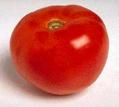 and _______
 noodles.
2._______
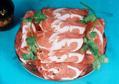 ,_______
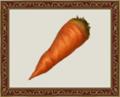 and_______
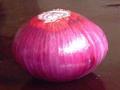 noodles.
C: I’d like_______
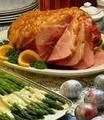 ,________
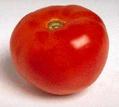 and_______
 noodles.
W: And what size bowl of noodles would you like?
Small,_______ or large? And we also have________
 for you.
C:A small bowl,please. Thanks.
W: You are welcome.
T: Now, it’s your turn. Write a conversation like above. Then I will ask someone to act your conversation out.
【设计意图】:本环节较贴近现实生活,先完成”Noodles House”,既巩固新知又作为接下来作文的热身。让学生以表演的方式对作文进行展示,激励学生的学习热情,增加学习兴趣。
Step7The emotion
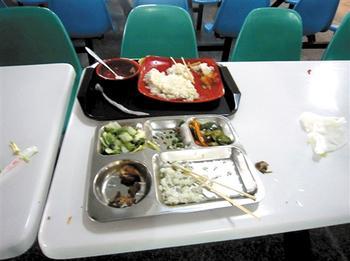

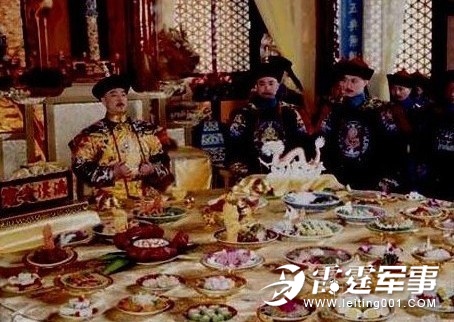 Now, I will show you some pictures. Please look at them carefully and then tell me what you think of them.(Get students to discuss)

In a word, when we have dinners, we mustn’t waste food.
【设计意图】:情感升华,通过一系列浪费图片,警示学生爱惜粮食,拒绝浪费.
Step8 Exercise
- What s______bowl of noodles would you like?
- Our playground is very l_______. We often play sports on it.
- I’d like b______ and tomato noodles. What about you?
- There are two s______ in our restaurant today.
- —May I take your o______?
—Yes, I’d like some noodles.
二.句型转换
1.kind,what,they,like,of,would,noodles(连词成句)
_____________________________________________
2.She has a strawberry.(用they 替换she)
They_______some_______.
3.Nancy wants some salad.(同义句转换)
Nancy ______ ______ some salad.
4.He’d like a medium bowl.(改为一般疑问句)
_______ _______ like a medium bowl?
5.I’d like a large bowl of noodles. (对划线部分提问)
______ ______ _______of noodles would you like?
【设计意图】:当堂检测题是针对本节课所学内容进行的形成性评价,这样既能使学生巩固本节课所学知识,又能让老师了解到学生本堂课真实的学习情况,并对错误较多的知识点进行巩固强化。
Step9 Homework
Regard yourselves as the waiter or the customer, act the conversation between them out. Be sure that your eating diets are healthy.

【设计意图】:在落实课本知识的同时,注重情感教育,要培养健康的饮食习惯。
亮点:1.课前一分钟出示几个新短语,让学生开始准备,找出答案,并且大声朗读。提前进入上课状态,做好课前热身。
2.以播放视频的方式,引导学生跟着视频chant,激起学生学习热情,导入新课。
3.以多种方式将新生词进行分类学习,避免单词学习的枯燥乏味。并为听力练习做好充分热身。
4.结合生活实际引导学生完成作文,教导学生要合理膳食。
不足:1.视频中个别单词学生不熟知,影响了活动效果。
2. 小组合作,部分环节操作的有些死板。以后还应探索如何科学高效的使用小组合作。
翻译探究使用建议:
“翻译探究”的主要目的是变老师讲解语言知识为学生自学语言知识。学生使用“翻译探究”时可以和答案同时使用,帮助自学、探究、发现和归纳,学生个人学不懂时可以以小组形式互助,若还不会,老师再讲解,这是先学后教,以学定教。“翻译探究”的题目数量因学情而定。学懂后,不看答案,两人一组互相讲解。
习题答案
一.1.size 2.large 3.beef 4.specials 5.order
二.1.What kind of noodles would they like?
2.have,strawberries
3.would like
4.Would ,he
5.What size bowl
|
|
 川公网安备51152402000101号 )|网站地图


 发表于 2026-3-3 06:31:23